 Safety
 10 min
Online Shaadi, Safe Shaadi: Your Guide to Matrimonial Platform Safety
From red flags and scam tactics to choosing the right platform — a complete safety guide for navigating matrimonial platforms with confidence...
Read Article
Exploring how shifting aspirations, digital connectivity, and mutual respect are rewriting matchmaking norms in Tier 2 and Tier 3 cities...
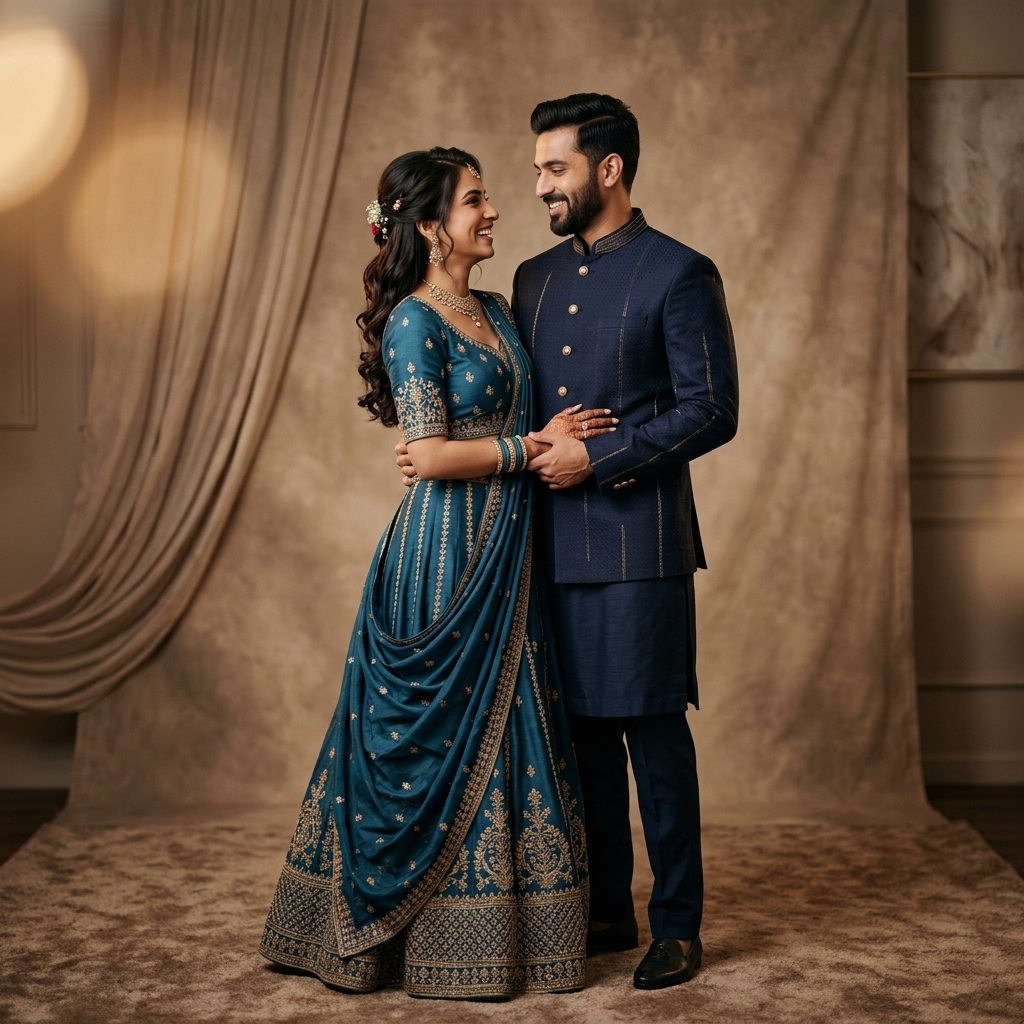
"Honoring traditional family roots, guided by modern transparency."
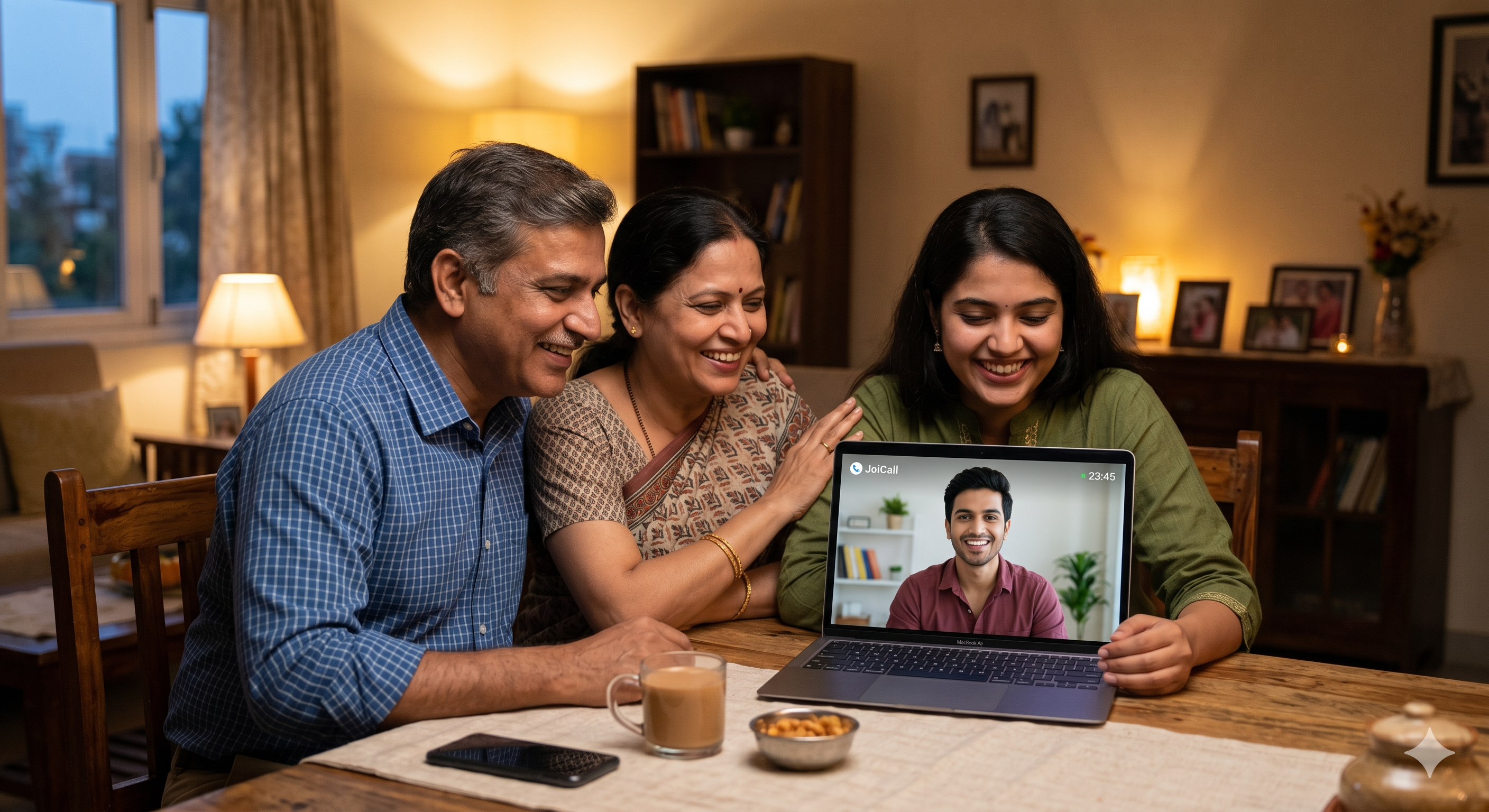
On a winter evening in a small town in Odisha, a family gathers around the dining table discussing a marriage proposal. The conversation sounds familiar at first — education, family background, career, values. But then something interesting happens.
The girl wants to speak to the boy personally before making a decision.
The boy, working in Bengaluru, joins a video call later that night. They talk about careers, ambitions, family responsibilities, favorite food, and the kind of life they imagine building together. Their parents are involved, traditions are respected, but the process feels different from what earlier generations experienced.
This quiet shift is happening across India.
Far away from the loud narratives of metropolitan dating culture, small-town India is slowly transforming the meaning of marriage itself. The change is subtle, emotional, and deeply human. It is being shaped by smartphones, education, migration, technology, and most importantly, by a generation that wants both tradition and understanding in their relationships.
Modern Indian marriage is no longer changing only in big cities. It is evolving in the towns, districts, and smaller communities that form the heart of the country.
The Internet Didn't Just Bring Connectivity — It Brought Possibility
For years, finding a life partner in smaller towns largely depended on relatives, neighborhood recommendations, local community circles, and family networks. Marriage conversations often remained limited within familiar boundaries.
But affordable internet access changed more than communication.
It changed exposure.
Today, a student from Ranchi, a software engineer from Bhubaneswar, a teacher from Patna, or an entrepreneur from Indore can interact with people from entirely different parts of India. Smartphones and digital platforms have opened windows into lives, ideas, and opportunities that earlier generations rarely had access to.
Young Indians from small towns are now growing up with broader perspectives. They watch people build careers in different cities, study in different states, and connect with individuals beyond their immediate social circles.
And naturally, this transformation is influencing marriage too.
The idea of choosing a life partner is becoming more thoughtful and personal. Families still remain deeply involved, but conversations are becoming more open. Compatibility is gaining importance alongside tradition.
In many ways, technology has not replaced traditional Indian matchmaking — it has modernized it.
Women's Education is Quietly Redefining Relationships
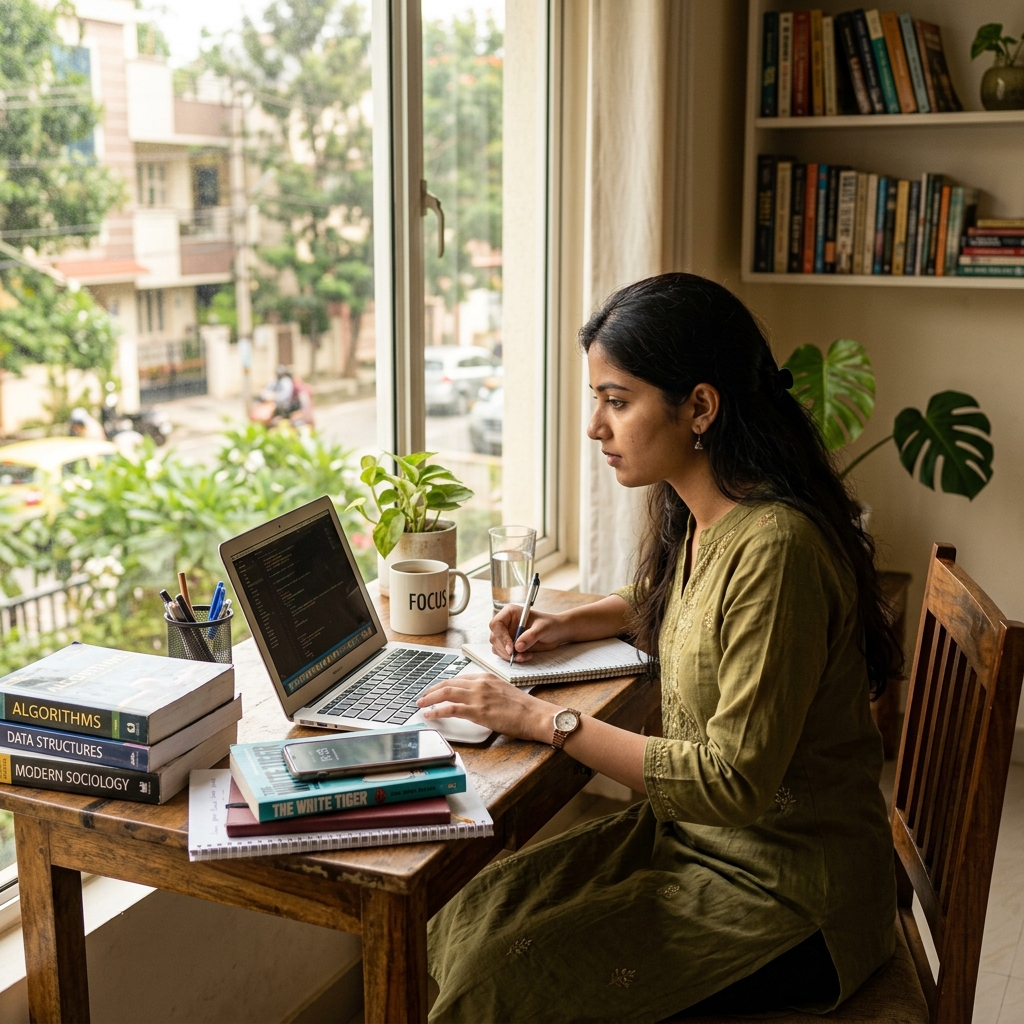
One of the most powerful forces behind this change is women's education.
Across small-town India, more women are pursuing higher studies, building careers, becoming financially independent, and shaping their own aspirations. With education comes confidence, awareness, and a stronger voice in personal decisions.
Earlier, marriage conversations often focused heavily on adjustment and expectations from women. Today, many young women are looking for partnership, emotional support, respect, and shared growth.
They want someone who values their ambitions rather than limits them.
And interestingly, many families are evolving alongside them.
Parents who once prioritized only social compatibility are increasingly discussing emotional compatibility, career stability, mutual understanding, and long-term happiness. The conversation is slowly shifting from:
"Will this marriage look good socially?"
to
"Will these two people genuinely understand each other?"
That emotional shift is reshaping modern Indian relationships in profound ways.
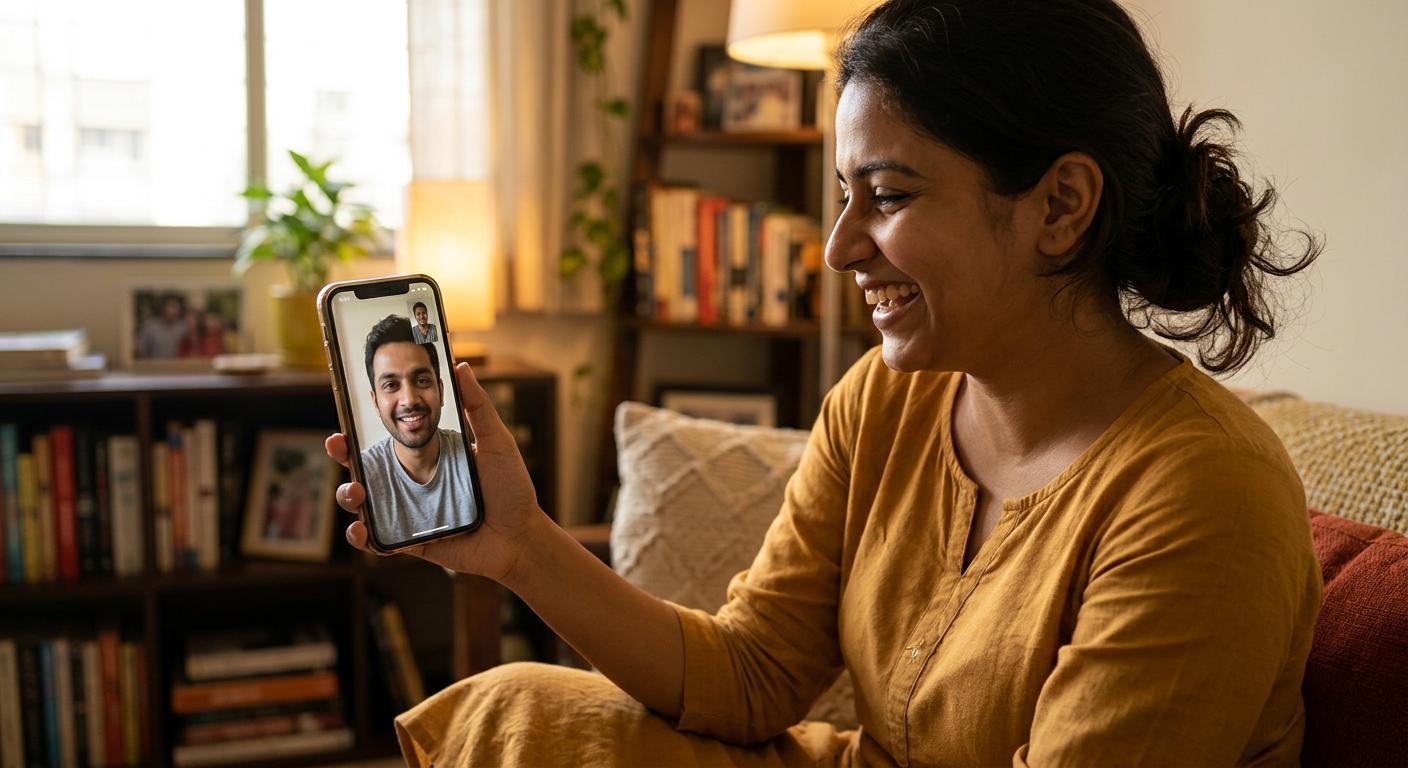
Inter-State Marriages Are Becoming Stories of Shared India
Another beautiful transformation is the rise of inter-state and cross-cultural marriages.
As young Indians move across cities for education and work, geography is becoming less important in relationships. Someone from Assam may find connection with someone from Tamil Nadu. A family from Uttar Pradesh may happily welcome a daughter-in-law from Kerala. Languages, cuisines, customs, and traditions are blending in ways that would have seemed uncommon just a generation ago.
These marriages are creating something uniquely modern and uniquely Indian.
Two cultures meeting at one dining table.
Two languages existing in one home.
Different traditions becoming shared memories.
And perhaps this reflects the spirit of modern India itself — deeply rooted in tradition, yet increasingly open-minded and connected.
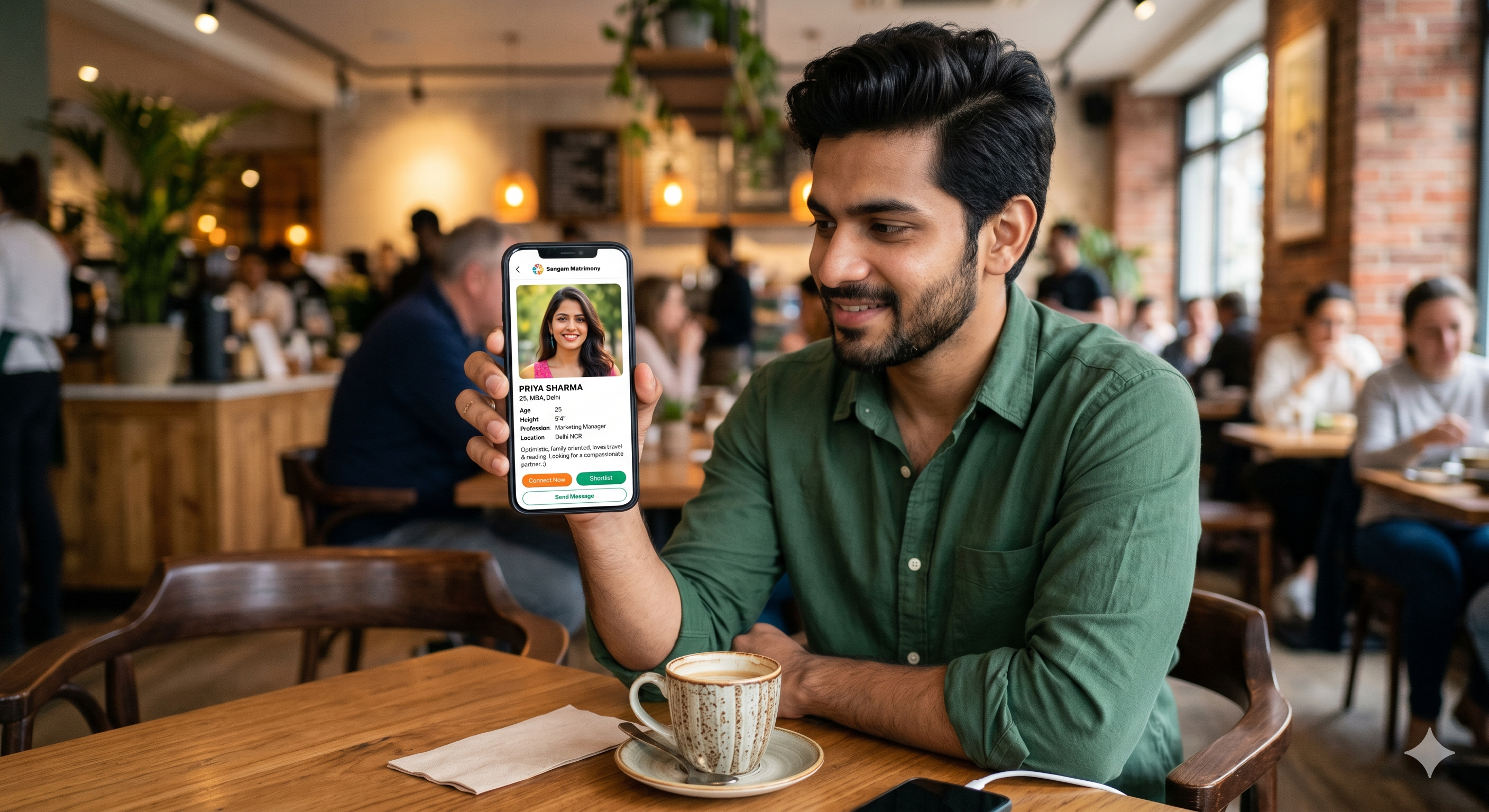
Digital Matchmaking Has Added a Human Layer to Traditional Matchmaking
There was a time when online matchmaking was viewed with hesitation, especially in smaller towns. Families often trusted only known references or personal introductions.
But over the years, perceptions have changed significantly.
Today, digital matrimonial platforms are helping families and individuals connect in safer, more informed, and more meaningful ways. People are no longer limited by geography or immediate social circles. They can interact, communicate, and understand each other before making life-changing decisions.
What makes this transformation important is that digital matchmaking in India is not replacing family values — it is supporting them.
Parents still care about values, trust, and long-term compatibility. Young individuals still seek emotional connection and understanding. Matrimonial platforms are increasingly becoming bridges between these expectations.
Modern matchmaking is no longer just about biodata, salary, height, or community filters.
It is becoming about conversations.
About compatibility.
About shared dreams, emotional maturity, and mutual respect.
In many ways, today's matrimonial journey is becoming less transactional and more human.
Perhaps the biggest transformation is happening emotionally.
For earlier generations, marriage was often viewed primarily as responsibility, stability, and social expectation. For today's generation, especially in smaller towns experiencing rapid social change, marriage is increasingly seen as companionship.
Young Indians want someone who listens.
Someone who respects their individuality.
Someone with whom they can grow emotionally and professionally.
This does not mean traditions are disappearing.
Festivals still matter.
Family blessings still matter.
Cultural roots still matter deeply.
But modern couples are trying to create relationships where individuality and tradition can coexist together.
And that balance is quietly redefining marriage in India.
The story of changing marriage in India is often associated with metropolitan cities. But the real transformation may actually be happening elsewhere — in the smaller towns and growing cities where old values and new aspirations are meeting every day.
It is visible in parents becoming more open-minded.
In women choosing education before marriage.
In young professionals balancing family expectations with personal compatibility.
In couples from different cultures building lives together.
In meaningful conversations happening through digital platforms.
This is not a loud revolution.
It is a quiet one.
But it is changing millions of lives.
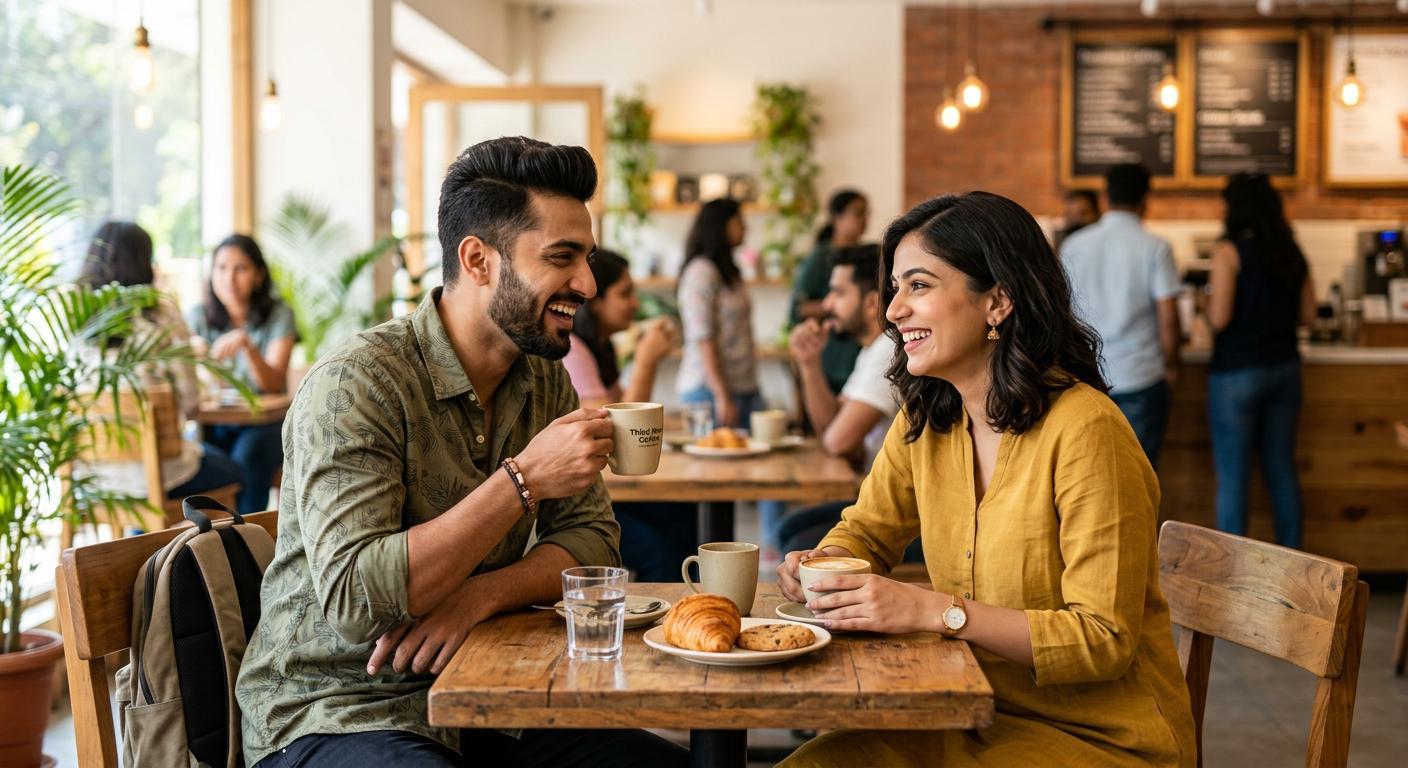
Conclusion
Small-town India is not abandoning tradition. It is reshaping it with empathy, education, technology, and evolving perspectives.
Marriage today is no longer only about fulfilling a social milestone. It is increasingly about finding emotional connection, shared values, mutual respect, and a partner who understands your journey.
And perhaps that is the most beautiful change of all.
Because modern Indian marriage is no longer being defined only by rituals or expectations.
It is being defined by understanding.
By choice.
By partnership.
And by the belief that meaningful relationships can grow while still honoring the values that have always held Indian families together.
- By Harshit Mohanta
Of urban Indians prefer a 'semi-arranged' approach with personal choice.
State family approval is vital for maintaining long-term domestic harmony.
Prioritize mutual career support and joint decision-making.
 Safety
From red flags and scam tactics to choosing the right platform — a complete safety guide for navigating matrimonial platforms with confidence...
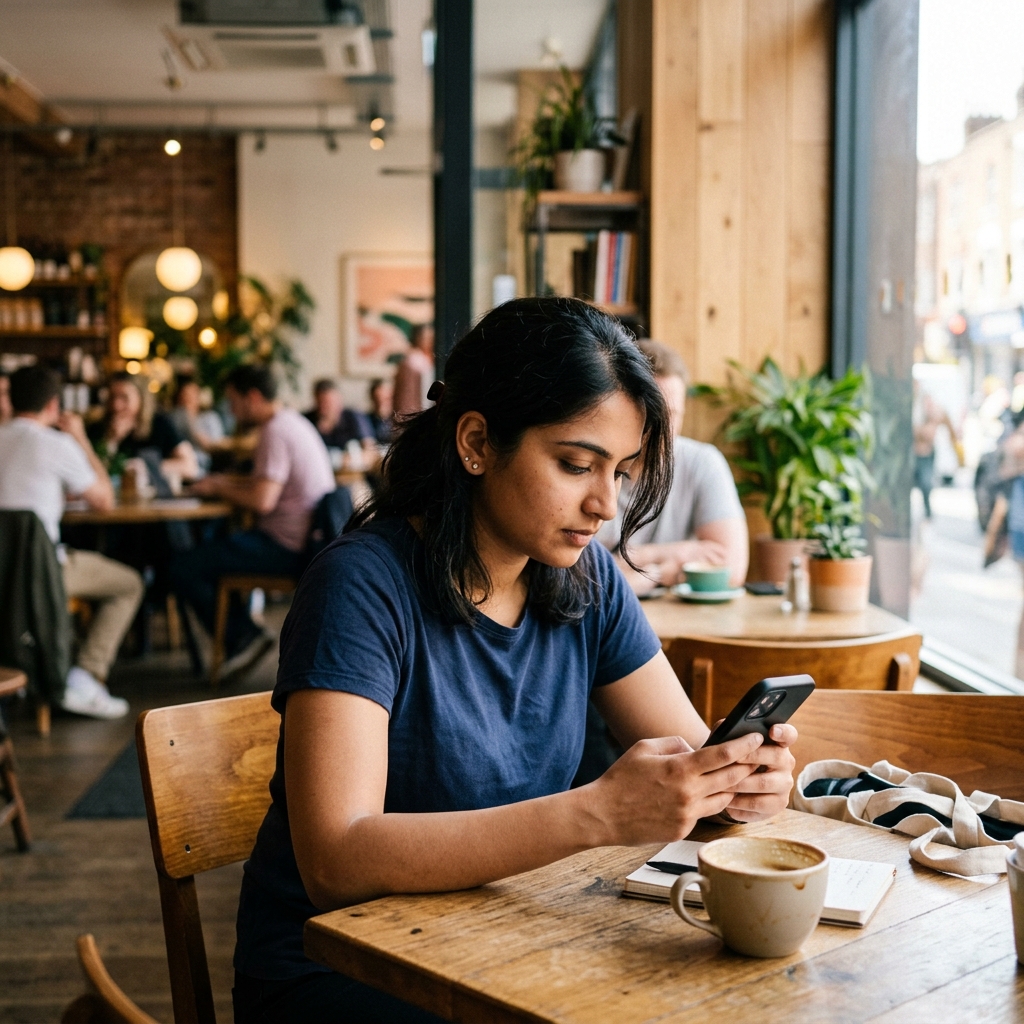 Safety
Steps to take to ensure the profile you are communicating with is genuine, verified, and transparent. Protect yourself and your family by knowing what to check and what to ask.
 Dating Tips
Your matrimonial profile is more than a bio — it is your first impression. Here’s how to write a profile that feels genuine, attractive, and trustworthy without sounding forced or fake.
Join thousands of verified members searching for meaningful relationships. Your journey to forever starts here.