 Safety
 10 min
Online Shaadi, Safe Shaadi: Your Guide to Matrimonial Platform Safety
From red flags and scam tactics to choosing the right platform — a complete safety guide for navigating matrimonial platforms with confidence...
Read Article
Tips for parents to guide and support their children in finding a life partner while respecting their boundaries...
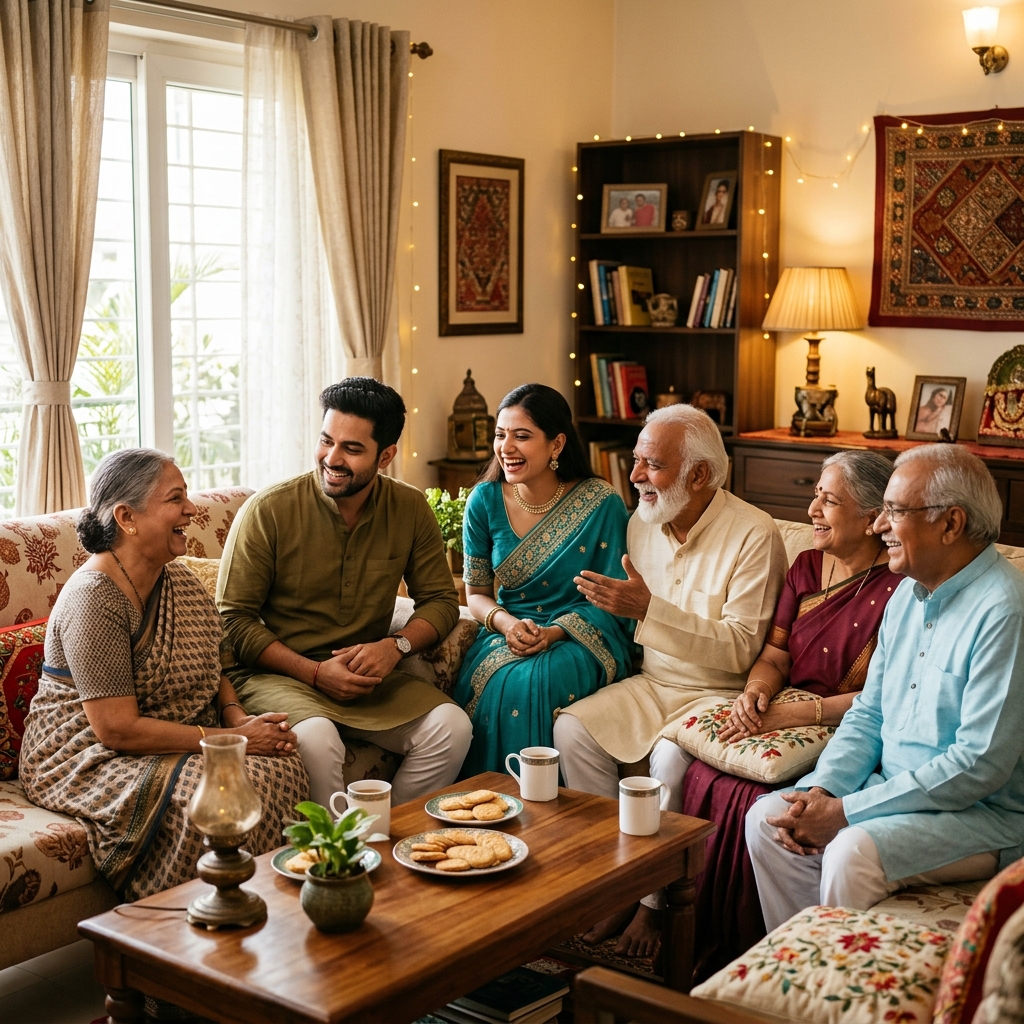
"Honoring traditional family roots, guided by modern transparency."
Parents have always played a central role in helping their children find suitable life partners. In India especially, marriage is often viewed as a union of families as much as a union of individuals. However, modern matrimony has changed significantly. Young adults today want to be active participants in choosing their future spouse while still valuing family guidance.
This shift has created an important question for many households: how can parents support the process without taking complete control? The answer lies in balancing wisdom with trust. When parents guide rather than direct, they create a healthier environment for thoughtful decision-making. The goal of parental involvement should not be to choose a partner on behalf of their child. Instead, it should be to help them evaluate options, ask important questions, and make informed decisions that lead to long-term happiness.
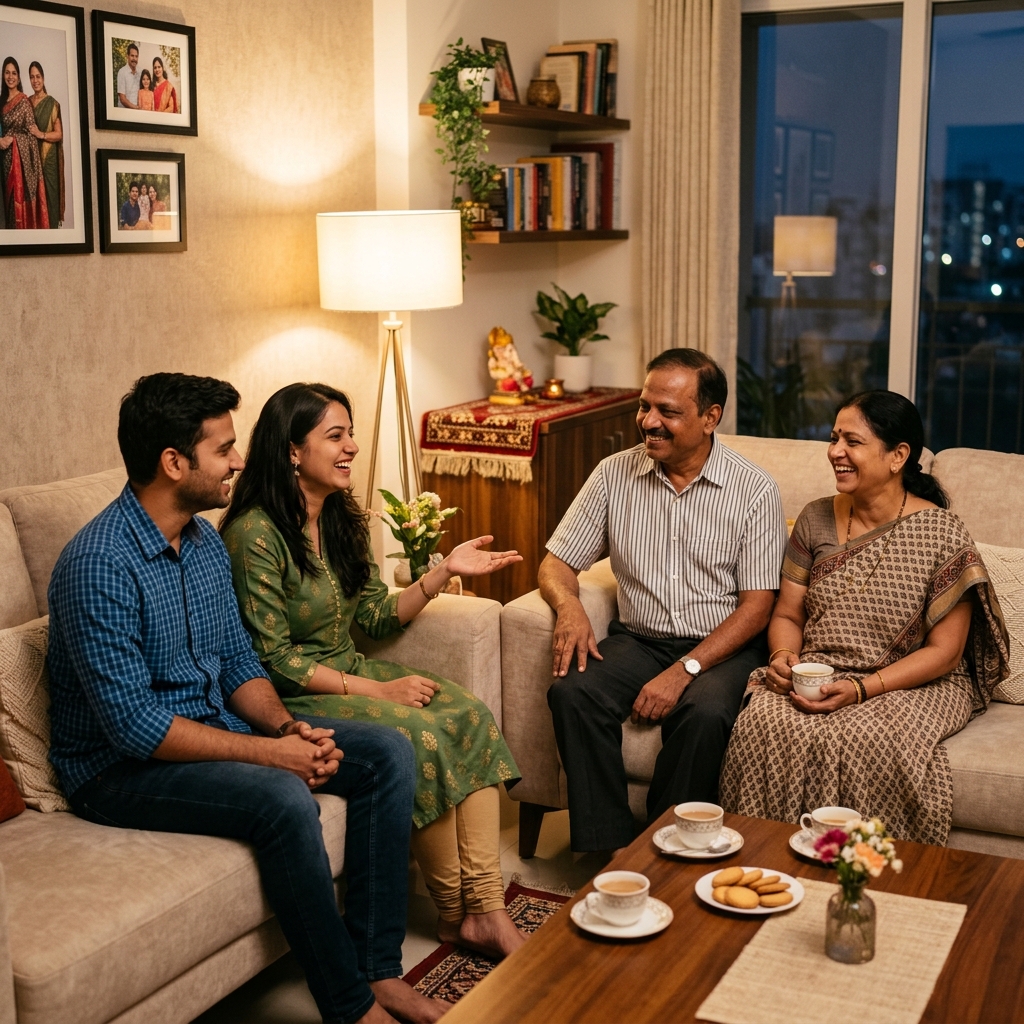
A supportive family gathering, discussing a marriage proposal with love and respect.
The matrimonial process today is very different from what it was a generation ago. Earlier, parents often handled most aspects of finding and evaluating a suitable match. Family background, social standing, education, and community connections were typically the primary factors considered during the decision-making process. While these aspects still hold value for many families, modern relationships are influenced by a much wider set of expectations.
Young adults today have greater independence and are more involved in making important life decisions. They often prioritize emotional compatibility, shared values, communication, career goals, and lifestyle preferences when considering a life partner. As a result, they want to play an active role in choosing someone they can genuinely connect with and build a future alongside.
This shift does not reduce the importance of parents. Instead, it changes their role. Rather than making decisions on behalf of their children, parents are increasingly becoming trusted advisors who provide guidance, perspective, and emotional support. This balanced approach allows families to remain involved while respecting personal choice.

A young couple discussing their future goals and aspirations with family support.
Parents naturally want the best for their children, especially when it comes to marriage. Their experience and understanding of relationships can be incredibly valuable during the search for a life partner. However, there is a difference between offering advice and taking complete control of the process.
Being a guide means helping children evaluate situations, ask important questions, and think carefully about their choices. Parents can share their observations and concerns while still allowing their children to make the final decision. This approach encourages responsibility and helps young adults develop confidence in their own judgment.
When parents become decision-makers, children may feel pressured to agree even if they have doubts about a match. This can create frustration and reduce open communication. On the other hand, when parents act as guides, they foster trust and collaboration. Children are more likely to seek advice and involve their parents throughout the journey because they know their opinions will be respected rather than dismissed.
One of the most important ways parents can help is by encouraging meaningful conversations between prospective partners. A successful marriage depends on much more than shared family backgrounds or similar educational qualifications. Long-term compatibility often comes from understanding each other's goals, expectations, and values.
Parents can encourage discussions about career aspirations, financial planning, family responsibilities, future living arrangements, and personal priorities. These conversations help couples gain a clearer understanding of whether they are truly compatible before making a lifelong commitment.
Rather than rushing the process, families should allow enough time for these discussions to happen naturally. Open communication helps identify potential challenges early and creates opportunities to address them constructively. It also allows both individuals to express their thoughts honestly without feeling pressured.
When meaningful conversations become a priority, couples are able to build a stronger foundation based on trust and understanding. Parents who support this process contribute significantly to the long-term success of the relationship.
Every generation approaches relationships differently. Parents may place importance on factors such as family values, cultural compatibility, stability, and social background. Young adults, meanwhile, often focus on emotional connection, communication, mutual respect, and shared ambitions.
Both perspectives have value. The key is recognizing that successful relationships require a balance between practical considerations and personal compatibility. A match that appears ideal on paper may not necessarily result in a happy marriage if the individuals involved struggle to connect emotionally.
Respecting personal preferences does not mean abandoning family traditions or values. Instead, it means understanding that the couple will be the ones building a life together. Their comfort, happiness, and compatibility should therefore play a central role in the decision-making process.
When parents acknowledge and respect their children's preferences, they strengthen trust within the family. This creates a more positive and collaborative environment where everyone feels heard and valued throughout the matrimonial journey.
Marriage is one of the most important decisions a person can make, yet many young adults face pressure from comparisons and social expectations. Questions about age, timelines, and the marital status of friends or relatives can create unnecessary stress during what should be a thoughtful process.
Comments such as "Everyone your age is getting married" or "Your cousin settled down years ago" may be intended as encouragement, but they often have the opposite effect. Instead of helping individuals make better decisions, they can increase anxiety and create a sense of urgency.
Finding the right partner should never be treated as a race. Every person's journey is unique, and relationships develop at different speeds. What matters most is making a decision that feels right rather than one that simply satisfies external expectations.
Parents who provide patience and emotional support help create a healthier environment for decision-making. Their understanding allows individuals to focus on compatibility and long-term happiness rather than social pressure.

Patience and emotional support from family during the partner search journey.
One of the most valuable contributions parents can make during the matrimonial process is helping with verification. In today's digital world, many matches are found through matrimonial websites, social media platforms, or online introductions. While these platforms offer convenience and a wider pool of potential partners, they also make it important to verify information carefully before moving forward.
Parents can assist by confirming educational qualifications, professional backgrounds, family details, and long-term intentions. Their experience often helps them identify areas that require additional attention or clarification. This kind of involvement provides reassurance to everyone involved and helps build confidence in the process.
However, there is a fine line between verification and control. Gathering information should be done to support discussions, not to make decisions on behalf of the couple. Parents should avoid rejecting a match solely based on their own assumptions without giving their children the opportunity to form their own opinions.
When verification is approached as a tool for informed decision-making rather than a means of control, it strengthens trust between parents and children. It also creates a safer and more transparent environment for building meaningful relationships.
Strong and lasting relationships rarely develop overnight. Even when two people appear compatible initially, understanding each other's personalities, values, and expectations takes time. This is why parents can play an important role by encouraging patience throughout the matrimonial process.
Many families feel pressure to move quickly once a promising match is identified. Concerns about age, social expectations, or family timelines sometimes lead to rushed decisions. However, taking the time to truly get to know someone can help prevent misunderstandings and future conflicts.
Prospective partners should have opportunities to communicate regularly, discuss important topics, and understand how they handle different situations. Conversations about goals, responsibilities, finances, and family expectations often reveal insights that may not be immediately obvious during initial meetings.
Parents who support a gradual and thoughtful approach help create stronger foundations for future marriages. Allowing relationships to develop naturally enables both individuals to make informed decisions with greater confidence. A marriage is a lifelong commitment, and taking extra time to ensure compatibility is often one of the wisest investments a family can make.
The role of parents in modern matrimony is not disappearing—it is evolving. Today's most effective parents act as mentors, advisors, supporters, and protectors rather than decision-makers. They provide guidance without imposing decisions and offer perspective without creating pressure.
They help identify potential concerns, encourage meaningful conversations, and provide emotional support throughout the process. At the same time, they trust the values they have spent years teaching their children. This trust is essential because it empowers young adults to make thoughtful decisions while knowing their families are there to support them.
Modern matrimony works best when both generations work together. Parents contribute wisdom and experience, while their children contribute personal understanding of their own needs, preferences, and goals. This partnership creates a balanced approach that benefits everyone involved.
When parents focus on supporting rather than controlling, they strengthen not only the marriage process but also their relationship with their children. That trust often becomes one of the greatest gifts they can offer during this important stage of life.
Parents continue to play a meaningful role in helping their children find suitable life partners. Their experience, guidance, and emotional support can make the matrimonial journey smoother and more thoughtful. However, the most effective involvement comes from helping rather than controlling.
Modern marriages thrive when individuals feel empowered to make informed decisions while still benefiting from family wisdom. Parents who encourage communication, respect personal preferences, provide practical guidance, and remain patient throughout the process create an environment where healthy relationships can flourish.
The strongest marriages are often built on a combination of family support and individual choice. When parents act as trusted guides rather than decision-makers, they help their children navigate one of life's most important decisions with confidence and clarity.
Ultimately, helping without taking over is about trust. It is about believing in the values you have taught, respecting your child's ability to choose wisely, and being there to support them every step of the way. That balance creates stronger marriages, happier families, and deeper relationships that last long after the wedding day.
- Written by Kashish Rajpal
Of urban Indians prefer a 'semi-arranged' approach with personal choice.
State family approval is vital for maintaining long-term domestic harmony.
Prioritize mutual career support and joint decision-making.
 Safety
From red flags and scam tactics to choosing the right platform — a complete safety guide for navigating matrimonial platforms with confidence...
 Safety
Steps to take to ensure the profile you are communicating with is genuine, verified, and transparent. Protect yourself and your family by knowing what to check and what to ask.
 Dating Tips
Your matrimonial profile is more than a bio — it is your first impression. Here’s how to write a profile that feels genuine, attractive, and trustworthy without sounding forced or fake.
Join thousands of verified members searching for meaningful relationships. Your journey to forever starts here.