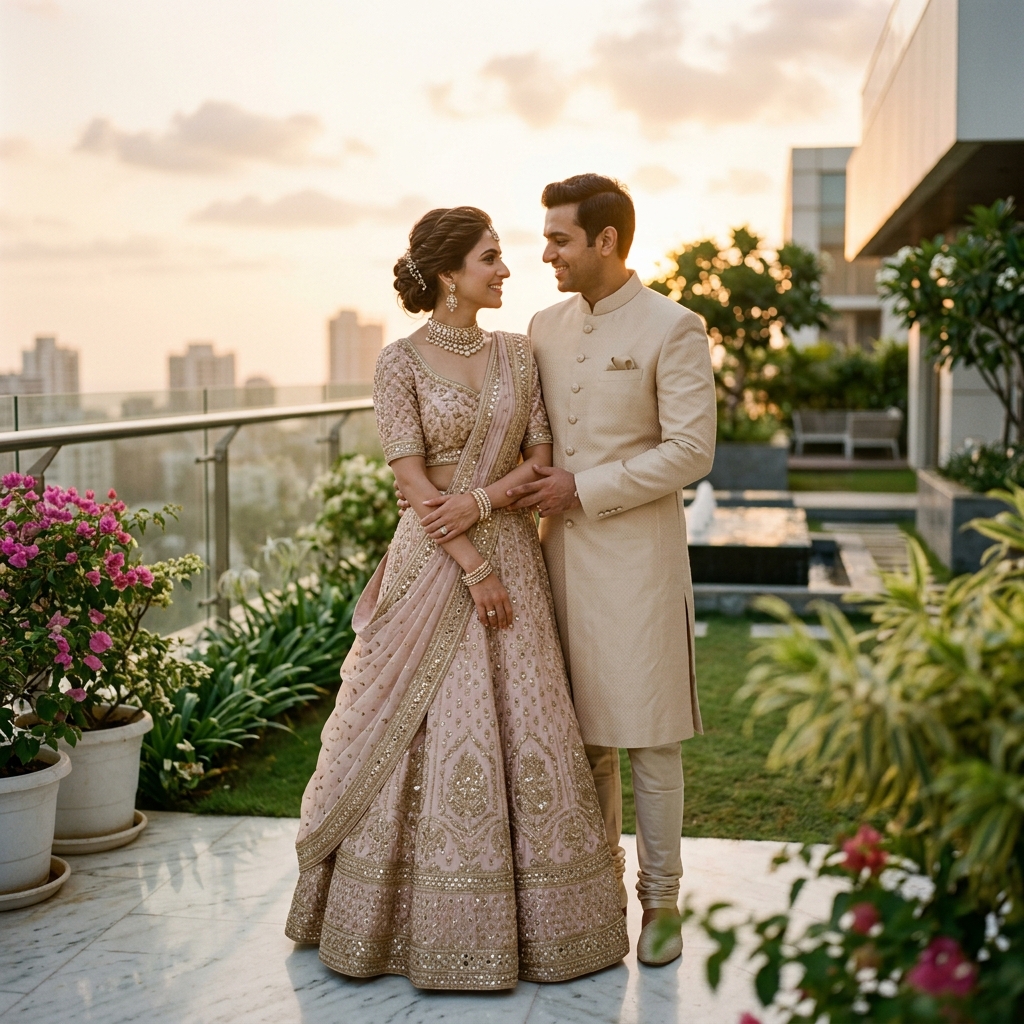
 Safety
 10 min
Online Shaadi, Safe Shaadi: Your Guide to Matrimonial Platform Safety
From red flags and scam tactics to choosing the right platform — a complete safety guide for navigating matrimonial platforms with confidence...
Read Article
Okay so I have been thinking about this topic for a while now, and honestly, it is one of those things where everybody around you has a strong opinion, but nobody really sits down and thinks about it properly. Like every time there is a family function, within ten minutes, some relative is already asking, "So when are you getting married?" and suddenly the whole room turns into a marriage counselling session that nobody signed up for. And somewhere in the middle of all that chaos, people our age are just quietly trying to figure out — what actually works?
Honestly this question feels very real to me right now. Not because I am getting married anytime soon obviously, but because I can see how differently people around me think about it. Some of my friends are very clear that they want a love marriage, some are surprisingly okay with the arranged marriage route, and a lot of them are just somewhere in the middle not really sure what they want. And I think that confusion actually makes sense when you look at where our generation is standing right now.
We are the generation that grew up watching both — grandparents in decades-long arranged marriages that somehow worked beautifully, and parents of friends who had love marriages and ended up separating. We have seen it all. And maybe that is exactly why we are so unsure. We cannot fully trust either system, and we cannot fully dismiss either one. So let us actually talk about both honestly.
So arranged marriages have literally been the default in India for generations. And before anyone rolls their eyes, let me say this — it is not as outdated as people make it sound. Yes the old system was very rigid and honestly kind of unfair, especially for women. But the arranged marriages that happen today are genuinely different from what our grandparents went through.
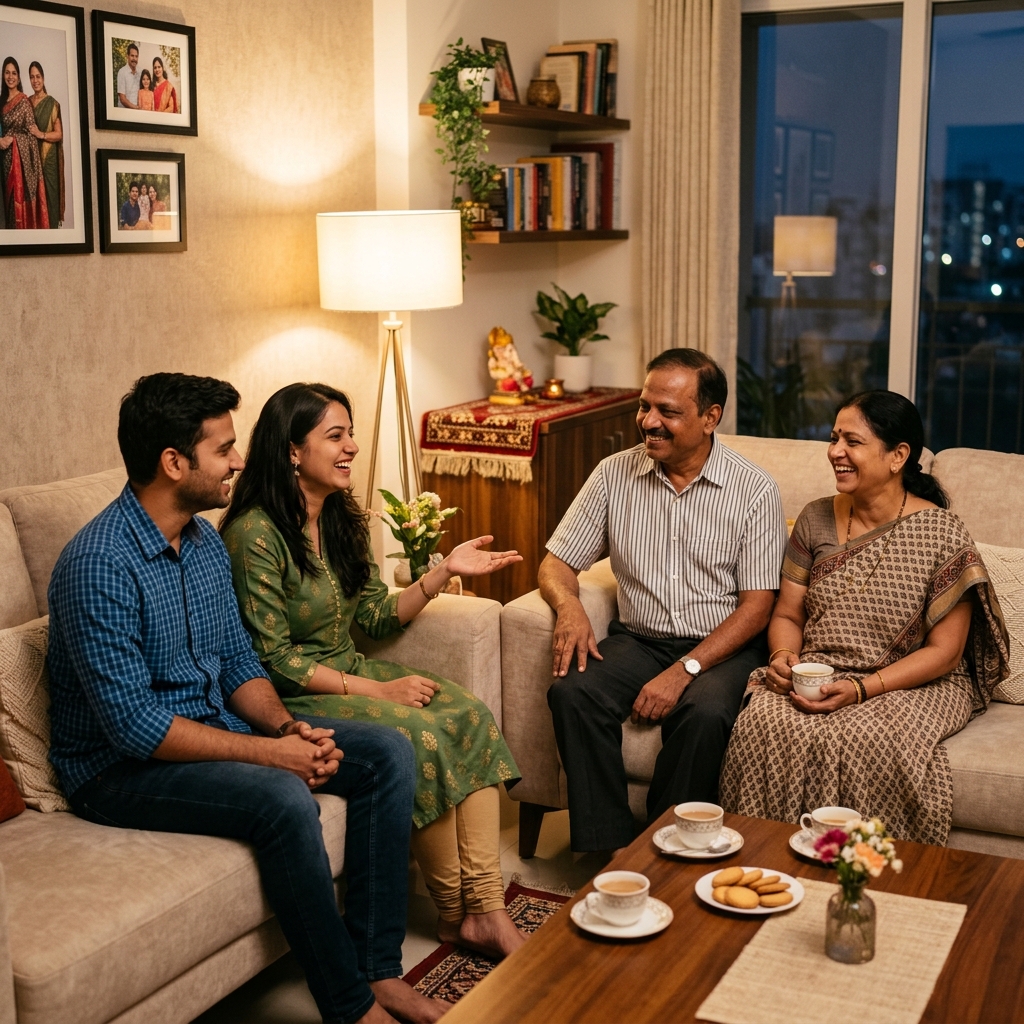
Today it is more like — families suggest someone, both people talk, meet, and decide.
Today it is more like — families suggest someone, both people talk for a few weeks or even months, they meet a few times, maybe even go on a few outings, and then they decide. That is not very different from dating if you think about it. The only real difference is that the families are involved from the beginning and there is a certain structure to the whole thing. The "meet and reject" pressure is real but at least both sides know what they are there for.
And there are some real advantages to this that I think people underestimate. When both families are supportive from the start, the couple actually has a proper foundation to stand on. There is financial stability being considered, there are shared backgrounds and values, and there is a whole support system that does not disappear after the wedding. For a lot of people especially in smaller cities and towns, that kind of social acceptance and family backing genuinely matters and makes everyday life much smoother.
I have seen this in my own extended family. Couples who had arranged marriages and who have been together for decades — and they are not just tolerating each other, they are actually good partners. Comfortable, supportive, genuinely happy. It did not happen because of magic. It happened because both people chose to put in the effort. The arranged marriage gave them a starting point, but they built everything themselves.
One thing I genuinely respect about the arranged marriage system is how intentional it is. Both people go in knowing this is serious. There is no ambiguity about where the relationship is headed. And while that can feel like pressure, it also creates a certain clarity and commitment from the very beginning that many love marriages actually struggle to find.
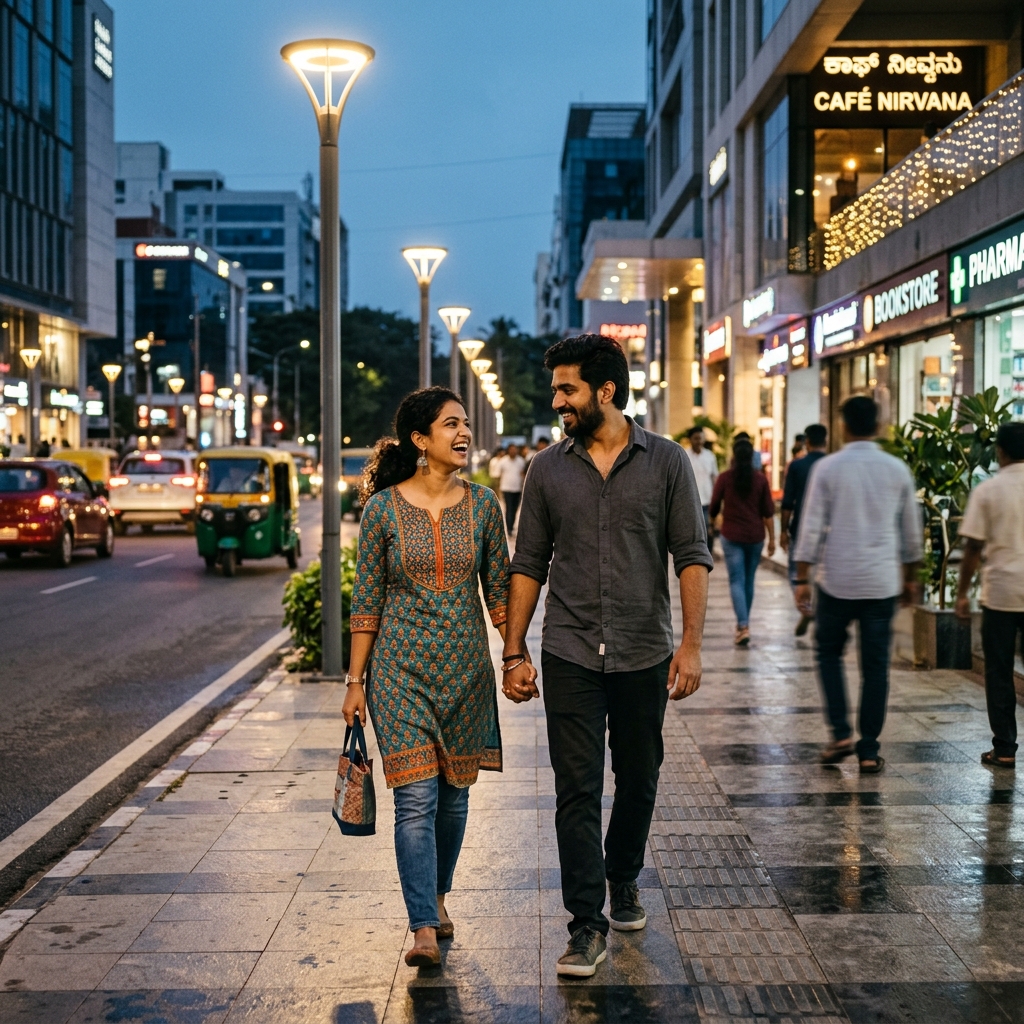
Truly knowing someone before committing to a lifetime with them.
Now on the other side, the idea of a love marriage is something most people our age connect with much more emotionally. And that makes complete sense. We grew up watching movies where people fall madly in love and fight for each other and it all looks very beautiful. More than the movies though, I think what we genuinely crave is the feeling of truly knowing someone before committing to a lifetime with them.
In a love marriage you have already seen the person in different situations. You know how they talk when they are stressed, you know whether they are the kind of person who talks through problems or shuts down completely, you know their weird little habits and their insecurities and their strengths. You have probably already had your first real fight and figured out whether you can come back from it. That kind of knowledge is actually very important for a marriage. You are not starting from zero.
And beyond the practical stuff, there is something about choosing someone yourself that feels deeply important. It gives you a sense of ownership over your own life decisions. You picked this person. Not your parents, not a relative, not an astrologer matching your stars. That confidence in your own choice can be a really powerful thing inside a marriage, especially during difficult times.
But here is where I want to be honest because I think our generation sometimes gets a little idealistic about love marriages. The emotional connection that you build with someone during dating does not automatically prepare you for everything that marriage involves. Things like — whose family do you spend more time with, how do you manage money when both of you have very different spending habits, what happens when your career goals pull you in opposite directions? These are not romantic questions but they are very real ones. And if you have never talked about them, they can hit surprisingly hard.
And in India especially, when families are not supportive of a love marriage, the couple ends up carrying so much extra emotional weight. Managing family pressure, dealing with guilt, sometimes even facing social consequences — all while simultaneously trying to build a new life together and adjust to living with a partner. That combination can be genuinely exhausting and it breaks a lot of couples who were otherwise wonderful together.
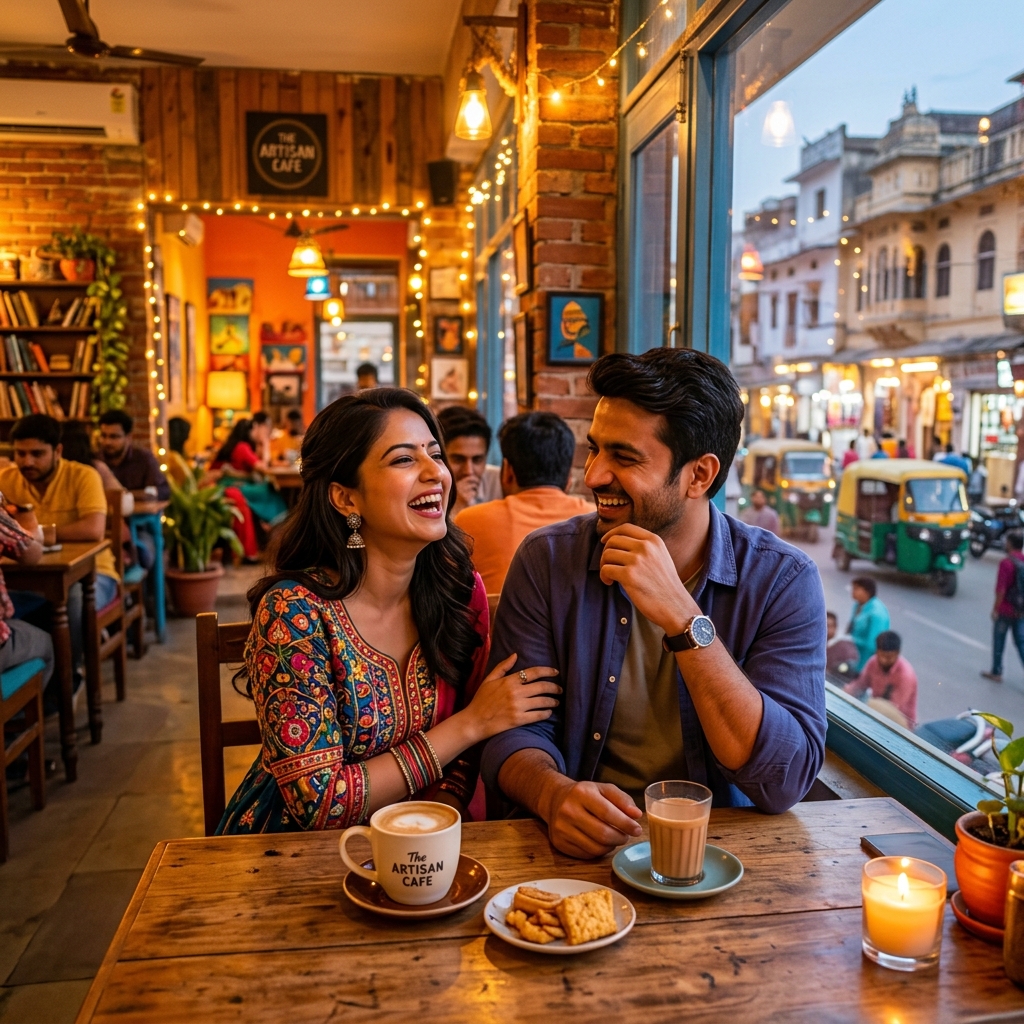
A semi-arranged marriage: where emotion and practicality both get a seat at the table.
This is the part that I find most interesting. If you actually talk to people our age — not in a formal survey kind of way but just in actual conversations — most of them do not fully want either extreme. They do not want the old arranged marriage system where the family decides everything and you just show up. But they also do not want to go completely on their own, ignore practical realities, and figure everything out without any support.
What I think most of us want is something like — I want to meet someone who genuinely connects with me emotionally, I want actual time to know them properly before making a commitment, I want my family to be okay with it because cutting off family is genuinely painful, and I want the whole thing to make sense practically too. Is that too much to ask? Maybe. But I do not think it is unrealistic.
The concept of a semi-arranged marriage or whatever you want to call it is honestly becoming very common in urban India. Where families are open to the idea, where the two people involved have real conversations and make an informed choice together, and where emotion and practicality both get a seat at the table. I think that is actually the direction things are naturally moving, even without anyone officially announcing it.
I also think our generation has a much healthier understanding of what marriage actually is. We do not expect it to complete us or solve our problems. We know it takes work. We have seen enough examples — good and bad — to understand that no relationship runs on autopilot. And that realistic mindset, honestly, is probably the most important thing we bring to any marriage regardless of how it started.
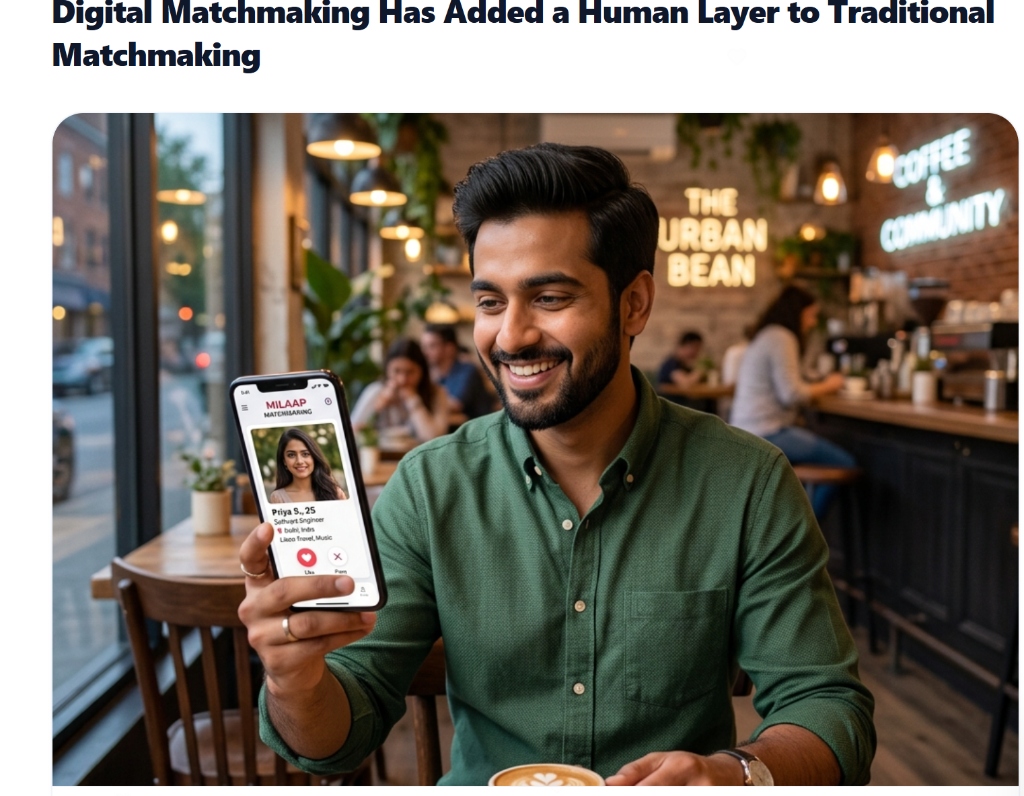
Matrimonial platforms are shifting from biodata-focused filters to personality and compatibility-driven matching.
One thing that genuinely surprised me when I started thinking about this topic is how dramatically apps and technology have changed the matchmaking world in just the last decade. It used to be that matrimonial sites were completely biodata-focused — caste, salary, height, complexion, horoscope. Families would shortlist based on those details and that was basically the whole process. The actual people involved were almost secondary.
But now there are platforms where people connect over shared interests, personality types, values, and lifestyle preferences before any family is even involved. People care more about whether someone has a growth mindset, whether they are emotionally mature, whether their communication style works with yours — more than whether they own property or have a certain job title. That shift is real and I think it reflects something important about how our generation thinks about compatibility.
Marriage is a long term partnership and you need someone who fits into your life at a deeper level than just ticking boxes on a form. Technology is slowly making that kind of matching more accessible and more intentional, whether it is an arranged setup or something more self-directed. And the interesting thing is that both kinds of people — those looking for arranged matches and those open to finding someone on their own — are now using the same platforms and filtering for the same things.
That tells you something. It tells you that the real conversation in India today is no longer about arranged vs love. It is about finding genuine compatibility. And technology is just making that search a little more efficient.
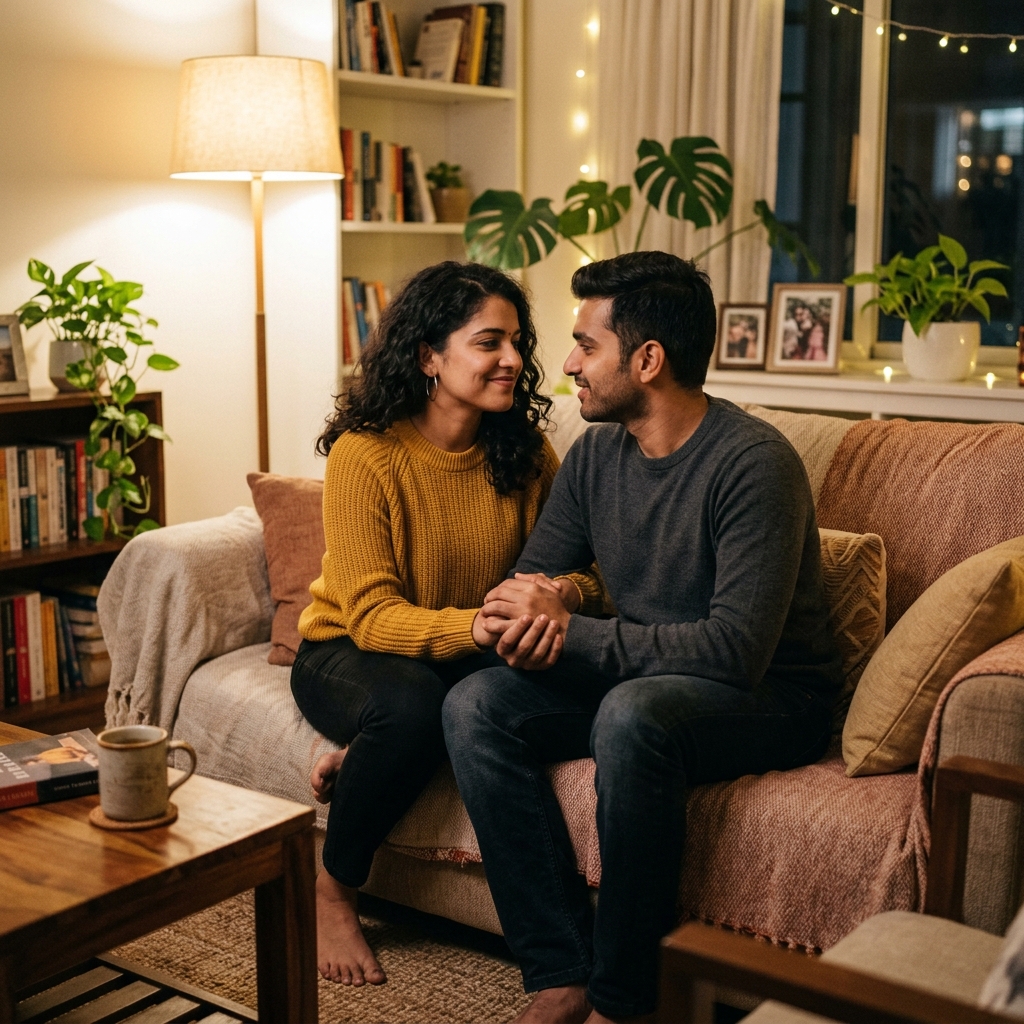
Commitment, mutual respect, and a willingness to grow together on a daily basis.
Okay so after thinking through all of this, here is my actual conclusion — the label does not matter as much as we think it does. Arranged or love, neither one comes with a guarantee. What makes a marriage work is much simpler and also much harder than choosing the right category.
It is about two people who respect each other enough to listen even when they disagree, communicate honestly even when it is uncomfortable, and keep choosing each other even when things are difficult. A love marriage where two people stop putting in effort will fall apart just as surely as any other relationship. An arranged marriage where both people genuinely invest in understanding and caring for each other can become something really beautiful and deeply fulfilling over time.
I think the most underrated quality in a marriage is just the willingness to show up. Not the grand gestures or the perfect compatibility scores or the fairy tale origin story. Just two people who are consistently present for each other. Who choose kindness on the bad days. Who are willing to grow alongside each other even when growth is uncomfortable.
The success of a marriage is not determined by how it started. It is determined by how both people decide to show up for it — every single ordinary day.
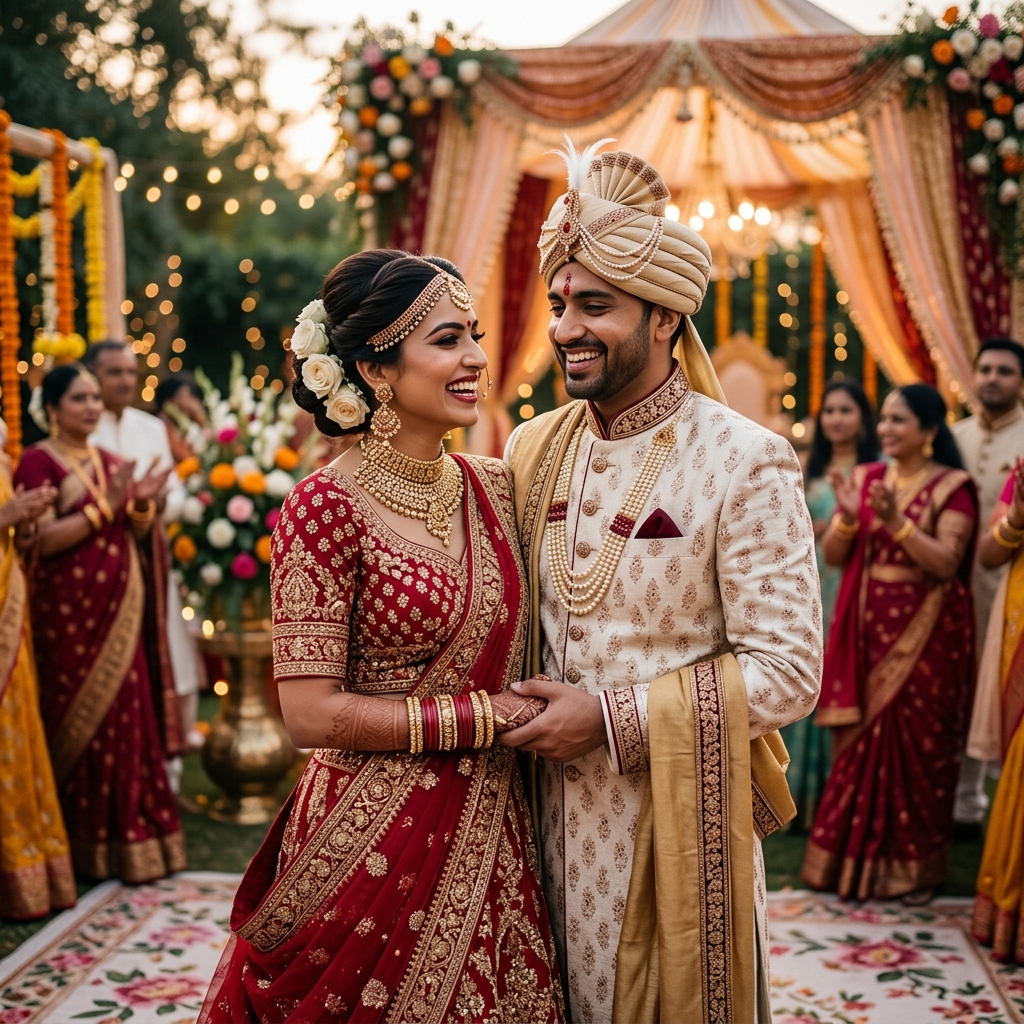
At the end of the day, it is about finding a partner who feels like home.
I think our generation is at this really interesting crossroads where we are questioning old systems but we have not fully replaced them with something new yet. And that is okay. We are allowed to be figuring it out. We are allowed to take the good parts of tradition and combine them with what we know about emotional health, personal freedom, and modern relationships.
Modern India is slowly moving past the whole arranged vs love debate. The boundaries are genuinely blurring. There are arranged marriages that feel like great love stories and love marriages that were built with the kind of intention and practicality that the best arranged setups have always had. The categories are becoming less meaningful as the actual conversations become more honest.
At the end of the day, most of us just want a partner who feels like home. Someone who gets you on a real level, supports your growth, challenges you when you need it, and is willing to do the work that every real relationship requires. Whether that comes through an arranged setup or a love story you wrote yourself — if it has trust and genuine effort behind it, it can absolutely work.
And honestly? The fact that our generation is asking these questions so openly and refusing to just follow a script blindly, that is probably the most hopeful thing about the future of marriage in India.
- Written by Sri Mullai Harinie S
Of urban Indians prefer a 'semi-arranged' approach with personal choice.
State family approval is vital for maintaining long-term domestic harmony.
Prioritize mutual career support and joint decision-making.
 Safety
From red flags and scam tactics to choosing the right platform — a complete safety guide for navigating matrimonial platforms with confidence...
 Safety
Steps to take to ensure the profile you are communicating with is genuine, verified, and transparent. Protect yourself and your family by knowing what to check and what to ask.
 Dating Tips
Your matrimonial profile is more than a bio — it is your first impression. Here’s how to write a profile that feels genuine, attractive, and trustworthy without sounding forced or fake.
Join thousands of verified members searching for meaningful relationships. Your journey to forever starts here.